
Beautiful plants. Less water. More life.
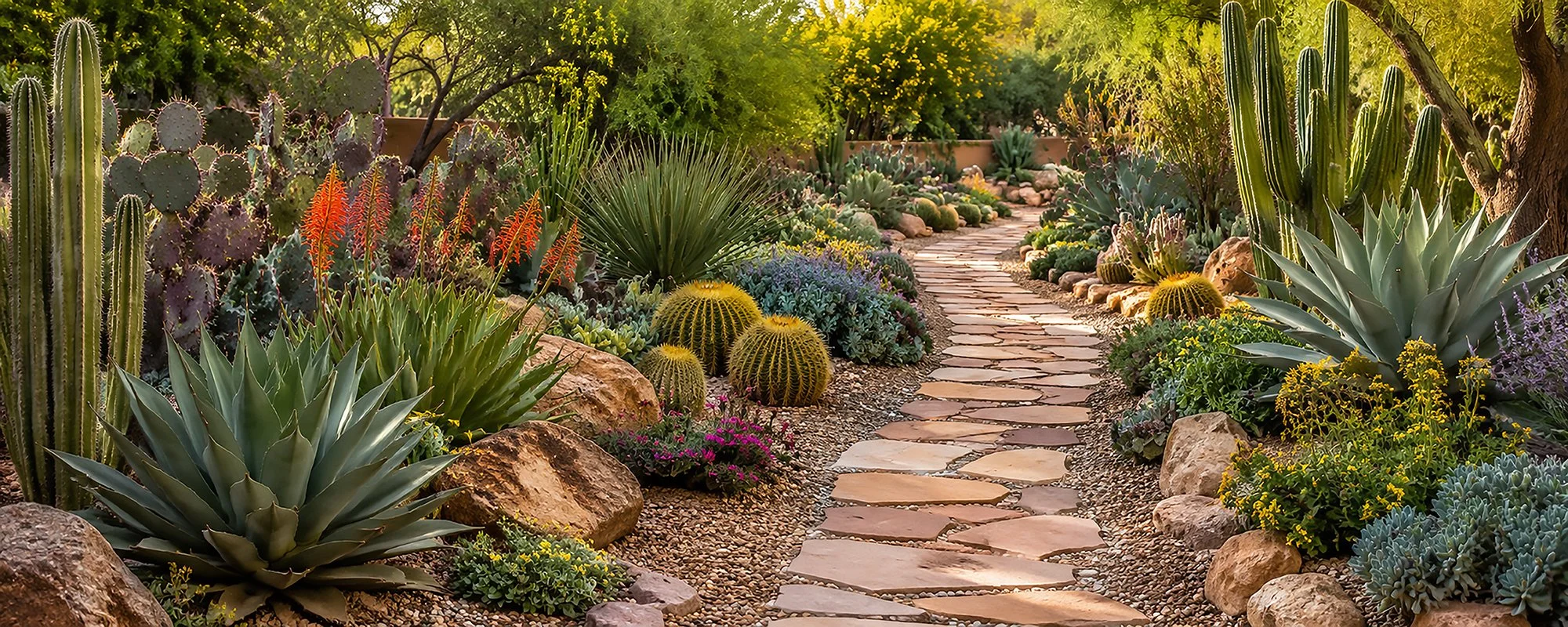
At Desert Roots Nursery, we believe beautiful landscapes can flourish while using less water. As water becomes an increasingly precious resource, we’re passionate about offering plants that are naturally resilient, water-wise, and rewarding to grow—whether you live in the desert or simply want to garden more sustainably. From striking succulents and cacti to drought-tolerant trees, shrubs, and garden favorites, we carefully select plants that can thrive with thoughtful, water-conscious care. Whether you’re creating a desert-inspired landscape, replacing thirsty plants, adding low-water beauty to your garden, or growing a collection at home, we’re here to help you choose plants that fit your space and your lifestyle.
Rooted in the desert. Grown with care. Saving water for what matters.
Products
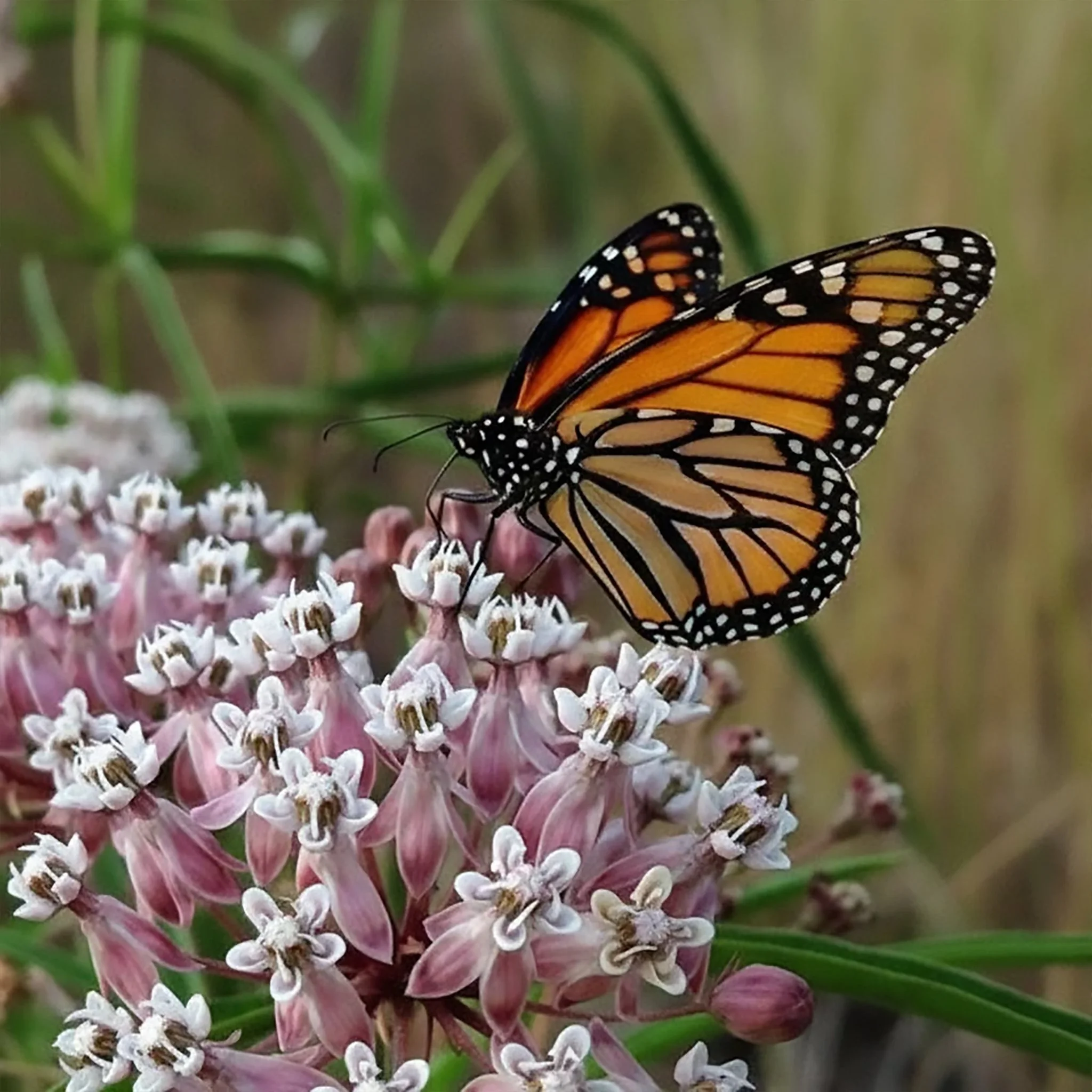
Narrowleaf / Mexican Whorled Milkweed (Asclepias fascicularis) is a beautiful Western native prized for its slender, whorled foliage and clusters of delicate pink, white, and lavender-tinged flowers. Native to much of California and portions of Nevada and Utah, it is an excellent choice for dry Western landscapes, native plant gardens, pollinator gardens, and wildlife habitats within its natural range. Mature plants typically reach 2–4 feet (60–120 cm) tall and 1–2 feet (30–60 cm) wide, forming an attractive, upright clump. Best suited to USDA Zones 6–10, it thrives in full sun and well-draining soil and is well adapted to dry conditions once established. Established plants can tolerate summer temperatures around 95–110°F (35–43°C) and cold temperatures near -10 to 0°F (-23 to -18°C), depending on conditions and local ecotype. In colder climates, the plant may die back to the ground during winter and regrow in spring. Water regularly while establishing, then reduce watering once established. Milkweed contains toxic cardiac glycosides and should be kept away from pets, livestock, and children.
THIS LISTING IS FOR A PACKET OF 25 SEEDS.

Cereus forbesii f. monstrosa, commonly known as Monstrose Blue Torch Cactus, is a rare and eye-catching cactus prized for its striking blue-green color and fascinating twisted, irregular growth. Native to Argentina and Bolivia, this unique monstrose form produces undulating and often branching stems, making every plant beautifully different. Mature specimens can reach 10–20+ feet (3–6+ m) in suitable landscapes, although growth varies with the monstrose form. Best suited to USDA Zones 9b–11b, it thrives in full sun, excellent drainage, and hot, dry conditions. Established plants can tolerate summer temperatures around 100–115°F (38–46°C) and brief cold near 25–30°F (-4 to -1°C) when kept completely dry. Protect from frost and prolonged freezing temperatures. Water deeply but infrequently, allowing the soil to dry completely between waterings.
THIS LISTING IS FOR A YOUNG BARE-ROOT SPECIMEN, 5–10 INCHES TALL. Plant in well-draining soil and watch it grow!
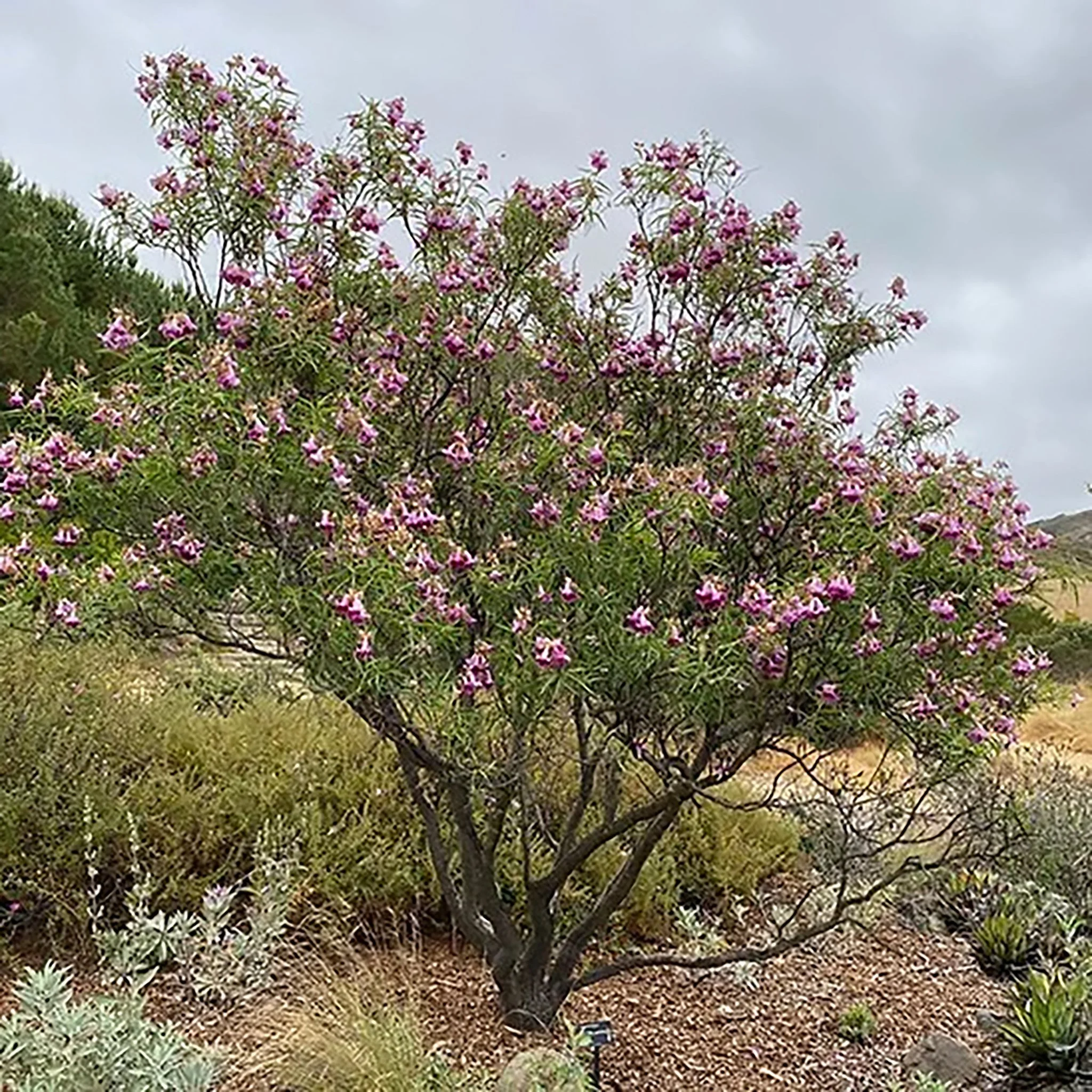
Chilopsis linearis, commonly known as Desert Willow, is a beautiful, fast-growing, drought-tolerant tree native to the Southwestern United States and northern Mexico. Despite its willow-like foliage, it is not a true willow. It produces long, narrow leaves and spectacular trumpet-shaped flowers in shades of pink, lavender, burgundy, and purple that attract hummingbirds and pollinators. Mature trees typically reach 15–30 feet (4.5–9 m) tall and wide. Once established, it thrives in full sun and tolerates intense desert heat around 105–115°F (41–46°C). Established trees can tolerate winter temperatures near 10–20°F (-12 to -7°C). Provide well-draining soil and water deeply but infrequently. A beautiful choice for Southwestern and water-wise landscapes.
THIS LISTING IS FOR A PACK OF 100 SEEDS. Plant in seedling soil, keep moist, and watch them grow!
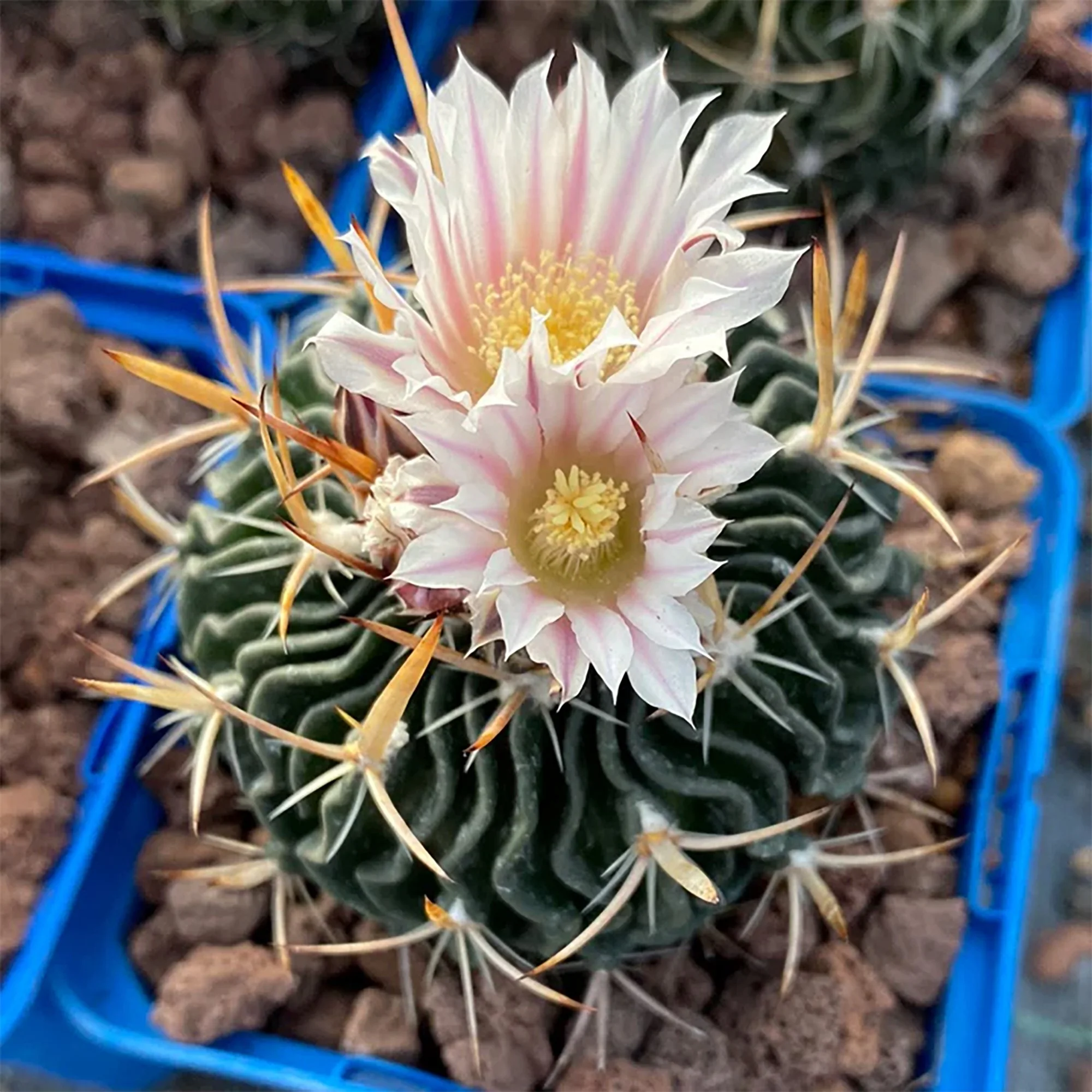
Echinofossulocactus crispatus (Stenocactus crispatus), commonly known as Brain Cactus, is a distinctive, slow-growing Mexican cactus prized for its deeply undulating, brain-like ribs and sculptural form. Native to north-central Mexico, including Hidalgo, Querétaro, Veracruz, Oaxaca, and Puebla, it grows naturally in dry shrubland and desert habitats. Mature plants typically reach 4–8 inches (10–20 cm) tall and 3–4 inches (7.5–10 cm) wide, making them excellent collector plants for containers and rock gardens. It thrives in bright light, excellent drainage, and warm conditions around 90–100°F (32–38°C) when kept dry and well ventilated. During winter, keep it dry; established plants can tolerate brief cold around 25–30°F (-4 to -1°C).
THIS LISTING IS FOR A YOUNG BARE-ROOT SPECIMEN. Plant in well-draining soil and watch it grow!

Euphorbia obesa, commonly called the Baseball Plant, Baseball Cactus, or Sea Urchin Plant, is a unique South African succulent prized for its rounded, striped form. Native to the dry Great Karoo region, it is adapted to hot, arid conditions and periods of drought. Slow-growing and compact, mature plants typically reach about 4–6 inches (10–15 cm) tall and wide. Provide bright light to full sun, excellent drainage, and allow the soil to dry completely between waterings. It thrives in hot weather around 90–100°F (32–38°C) but should be protected from frost and temperatures near 30°F (-1°C) or lower. Reduce watering during winter. Euphorbia obesa is Endangered on the IUCN Red List, making responsibly nursery-propagated specimens especially valuable. Like other Euphorbias, it produces irritating milky sap when damaged; handle with care.
THIS LISTING IS FOR A YOUNG POTTED SPECIMEN, 1–2 INCHES ACROSS. Water sparingly and watch it grow!
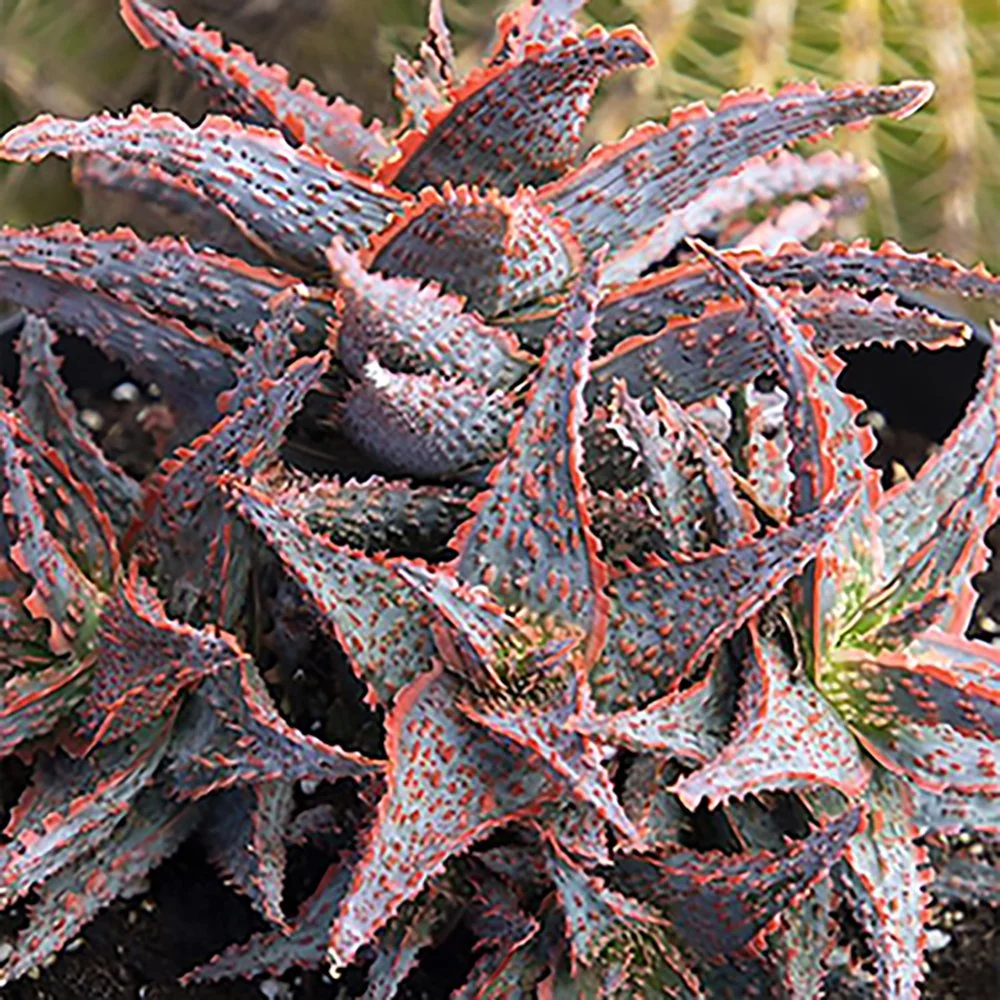
Aloe ‘Oik’ is a striking compact aloe prized for its attractive rosette, fleshy green leaves, and vibrant orange-red flowers. This easy-care succulent is an excellent choice for containers, rock gardens, patios, and sunny windowsills. It thrives in full sun to bright filtered light, warm temperatures, and fast-draining soil. Mature plants typically remain compact, making them perfect for small spaces and succulent collections. Best suited to USDA Zones 9–11, it handles hot conditions around 90–105°F (32–41°C) when established but should be protected from frost and prolonged temperatures below 30°F (-1°C). Water deeply but infrequently, allowing the soil to dry thoroughly between waterings and reducing watering during cooler months. With its compact growth, attractive foliage, and colorful blooms, Aloe ‘Oik’ is a beautiful addition to any succulent collection. (Toxic to pets if ingested!)
THIS LISTING IS FOR A YOUNG BARE-ROOT SPECIMEN, 3–7 INCHES TALL. Plant in well-draining soil and watch it grow!
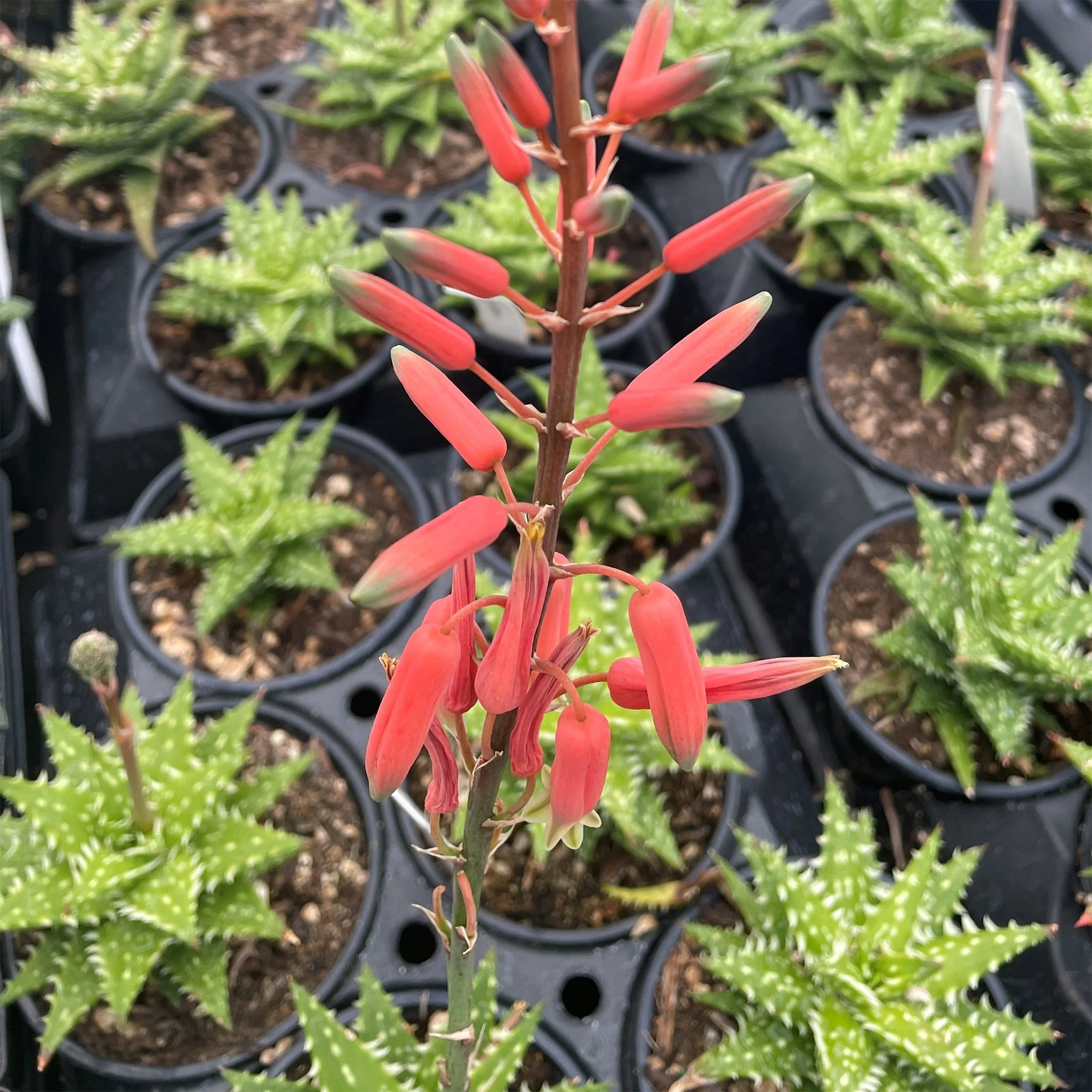
Aloe ‘Minnie Belle’, commonly known as Minnie Belle Aloe, is a compact, colorful aloe prized for its striking green leaves with reddish-brown teeth and vibrant orange-red flowers. This attractive hybrid forms neat clusters and is excellent for containers, succulent gardens, rockeries, and sunny patios. Developed from Aloe descoingsii × Aloe haworthioides, it is a cultivated hybrid with parent species native to Madagascar. Mature plants typically reach 12–18 inches (30–45 cm) tall and wide. Hardy in USDA Zones 9–11, it thrives in full sun to bright filtered light and well-draining soil, tolerating 90–105°F (32–41°C). Protect from frost and temperatures below 30°F (-1°C). Water deeply but infrequently, allowing soil to dry between watering. (Toxic to pets if ingested!)
THIS LISTING IS FOR A YOUNG BARE-ROOT SPECIMEN, 2–5 INCHES TALL. Plant in well-draining soil and watch it grow!
Showy Milkweed (Asclepias speciosa) is a striking Western native prized for its large, soft-green leaves and clusters of fragrant, star-shaped pink to rosy-purple flowers. Native to much of the western United States and parts of Canada, it is an excellent choice for native plant gardens, pollinator gardens, meadow plantings, and naturalized landscapes. Its showy blooms attract butterflies, bees, and other beneficial pollinators, while the foliage provides an important food source for monarch and other milkweed-associated caterpillars. Mature plants typically reach 2–5 feet (60–150 cm) tall and 1–3 feet (30–90 cm) wide. Best suited to USDA Zones 3–9, it thrives in full sun and well-draining soil and becomes increasingly drought tolerant once established. Established plants can tolerate summer temperatures around 95–105°F (35–41°C) and winter temperatures near -30 to -20°F (-34 to -29°C), depending on local conditions. Water regularly during establishment, then reduce watering as plants become established. Milkweed contains toxic cardiac glycosides and should be kept away from pets, livestock, and children.
THIS LISTING IS FOR A PACKET OF 25 SEEDS.